


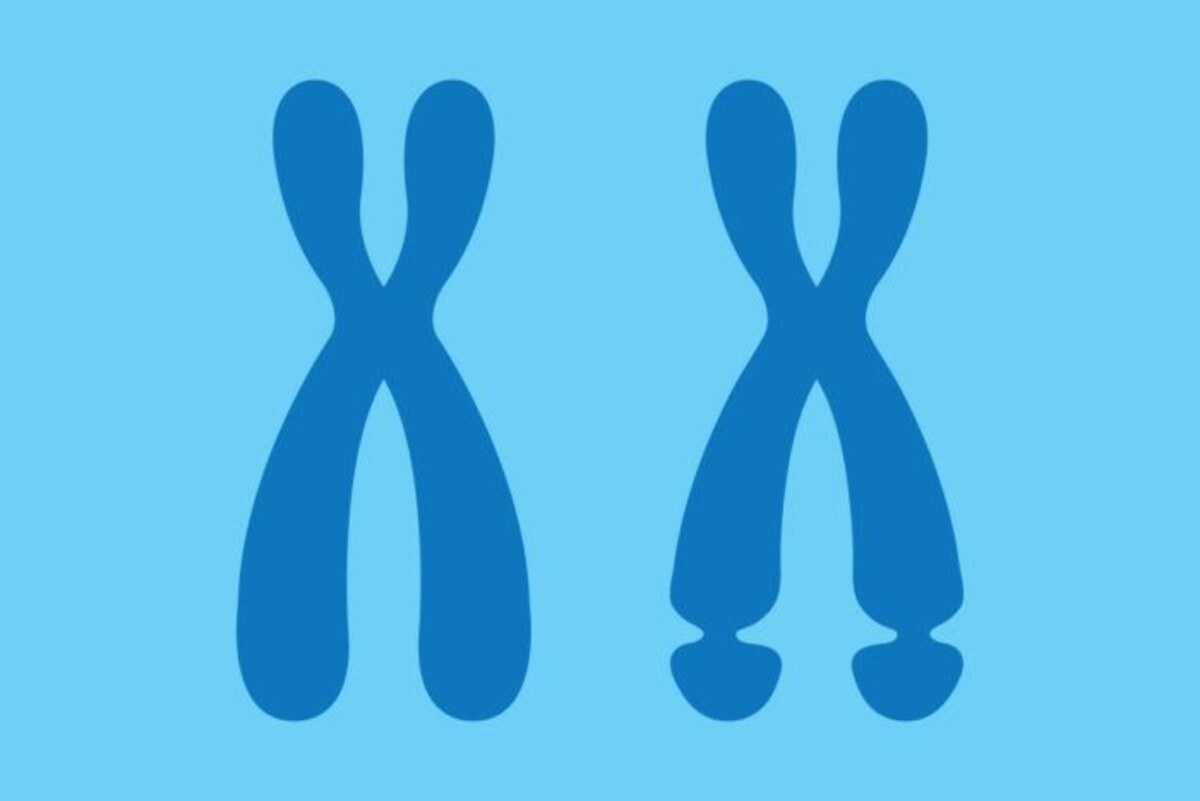

The rare disease community and investors alike were hit hard this week. Ultragenyx Pharmaceutical announced that its trial of the potential drug for the disease Angelman syndrome was negative in a large late-term clinical trial. The company’s stock plummeted, shedding over 45 percent and hitting an all time low. Apazunersen, or GTX-102, is an antisense olignucleotide intended to correct the underlying genetic defect of ANGELMAN syndrome. As ANGELMAN results when the maternal copy of the UBE3A gene is absent or non-functional in the brain, it means that affected individuals are missing a gene product crucial to normal functioning. It was hoped that this medication could turn the paternal gene back on.
In preliminary small-scalestudies, the treatment had already shown promising indications of improvement in cognition and other developmental metrics, raising remaining family members’ hopes for an unapproved disease-modifying option. Those hopes were dashed though when the results of the Phase 3 Aspire trial were announced. This study recruited children and adolescents with a genetically defined full maternal UBE3A deletion.
The primary endpoint was the change from baseline on the Bayley-4 cognitive scale and a Multidomain Responder Index that was a composite of cognition communication behavior, motor, and sleep domains. Both endpoints showed no advantage over sham control, and Ultragenyx made no ambiguities about the results, clearly stating there was no distinction between treatment groups that indicated any efficacy. Adverse events were no different from those reported earlier with the drug.
Financial consequences were swift and harsh. Investors considered the result ‘clearly bad, ‘ with losses in market value amounting to nearly USD 1.25 billion in one trading session alone. While Ultragenyx has other marketed drugs for ultra-rare indications, the prognosis for finding commercial value in the Angelman program had been seen as a first step to eventually broadening out and realizing profitability. As that might not happen, the company revealed that it will evaluate the apazunersen program next and adopt drastic cost-cutting measures while narrowing its emphasis on the pre-existing portfolio of commercial medicines. There is something more profound for families who have Angelman syndrome.
It’s usually within a child’s first year when Angelman presents itself: at first as gross developmental delays, little to no words, seizures, and motor and balance problems. For many parents and advocates, following the early successes with GTX-102, it was promising to show a ‘first step in a positive direction.’ Its failure not only robs families of hope, but delays for now, the development of a therapy to change life for their children.
In addition, the result leaves several unanswered questions for the field overall. Another company is developing a similar strategy, and the outcome in the Ultragenyx study will, no doubt, lead to cautious reassessment of trial design, patient selection, and primary endpoints in this niche. Establishing definitive, controlled evidence from early open-label signals consistently proves to be one of the most difficult hurdles to overcome in rare neurodevelopmental disorders.