



Small and medium enterprises (SMEs) worldwide are experiencing a significant shift in credit conditions as regulatory policy changes, central bank guidance and lending practices evolve in 2026 — reshaping how small businesses access capital, manage debt and invest in growth. In markets from India to Europe, evolving policy frameworks and lender responses are producing a new lending reality for small business owners, with both opportunities and challenges emerging for credit access.
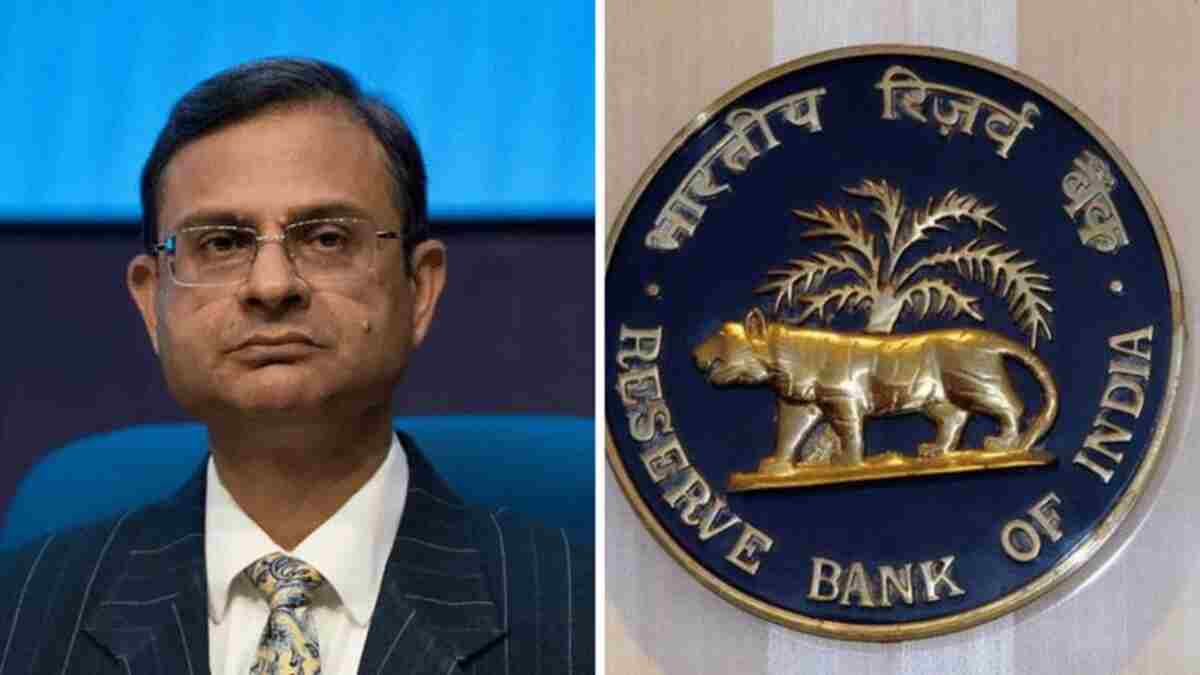
In India, a notable reform by the Reserve Bank of India (RBI) is upending traditional collateral-dependent lending. The RBI’s 2026 MSME credit reform has eliminated mandatory collateral for loans up to ₹20 lakh for micro and small enterprises, compelling banks to base credit decisions on business viability and repayment capacity rather than property ownership. This groundbreaking change is expected to widen formal credit access for smaller businesses that historically struggled because they lacked substantial physical assets — a move financial analysts say could increase loan uptake and stimulate entrepreneurial activity across the country.
Alongside this shift in India, policy and budget measures are reinforcing an enabling environment for SMEs. Recent government budgets have introduced dedicated funds and liquidity provisions targeted at MSMEs, streamlined regulatory compliance, and initiatives to enhance trade and digital participation — all designed to make small businesses more competitive and credit-ready. These policy changes are intended to reduce friction in accessing finance, easing the entry barriers that previously deterred growth-oriented enterprises from formal lending channels.
In Europe, data from the European Central Bank’s (ECB) fourth-quarter 2025 Bank Lending Survey indicates that credit standards for loans and credit lines to firms — including SMEs — have tightened unexpectedly, as banks adopt more cautious stances amid global economic uncertainty. Risk aversion and perceived macroeconomic headwinds have contributed to this trend, with credit criteria showing a net tightening for corporate loans in key euro-area markets such as Germany and France. SMEs in these regions may face stricter underwriting norms and reduced loan availability as banks recalibrate risk assessments in response to broader financial stability concerns.
Beyond regulatory changes and central-bank surveys, industry research and sector analysis suggest that the future of SME lending is increasingly driven by technology and innovation. Digital lending platforms and fintech solutions — using automated credit assessments, alternative data and streamlined onboarding — are making inroads by offering faster access to capital than traditional lenders. These digital channels leverage real-time business performance data instead of conventional credit histories, making lending more responsive to actual cash flow and business health. Financial advisers and analysts believe this digital transformation could further democratise access to credit for underserved small enterprises, particularly those without extensive financial records or property collateral.
However, the shift is not without friction. In some markets such as the United Kingdom, small business owners continue to grapple with high interest rates and tighter traditional bank lending, which critics argue discourages borrowing and limits investment in expansion. Alternative lenders, while offering speed and flexibility, sometimes come with higher borrowing costs — posing a difficult choice for SMEs balancing urgency with affordability.
Central banks and financial regulators in other jurisdictions are also weighing adjustments that could influence SME credit access. For example, regulators in Canada have proposed lowering capital requirements for certain types of SME and corporate loans, a move that could encourage banks to extend more credit by reducing the capital they must reserve against such loans. These regulatory conversations indicate a broader policy recognition that facilitating SME credit is crucial for economic growth and employment.
Despite these mixed signals, many economists agree that SMEs remain critical drivers of economic vitality, accounting for a large share of employment and innovation globally. As credit landscapes evolve in 2026, business owners are being urged to formalise operations, digitise financial systems and maintain strong credit discipline to improve their attractiveness to lenders. In emerging markets like India, initiatives that incentivise formalisation and digital payment adoption are expected to complement broader credit reforms, fostering more sustainable and inclusive lending practices.
In summary, 2026 has brought notable shifts in small business credit trends — from regulatory reforms that lower traditional barriers to lending, to market conditions that tighten access in some regions, and digital innovation that reshapes how credit is evaluated and delivered. For SMEs navigating this changing environment, understanding these developments — and adapting their financial strategies accordingly — will be key to securing the capital needed to scale operations and compete in increasingly dynamic markets.