


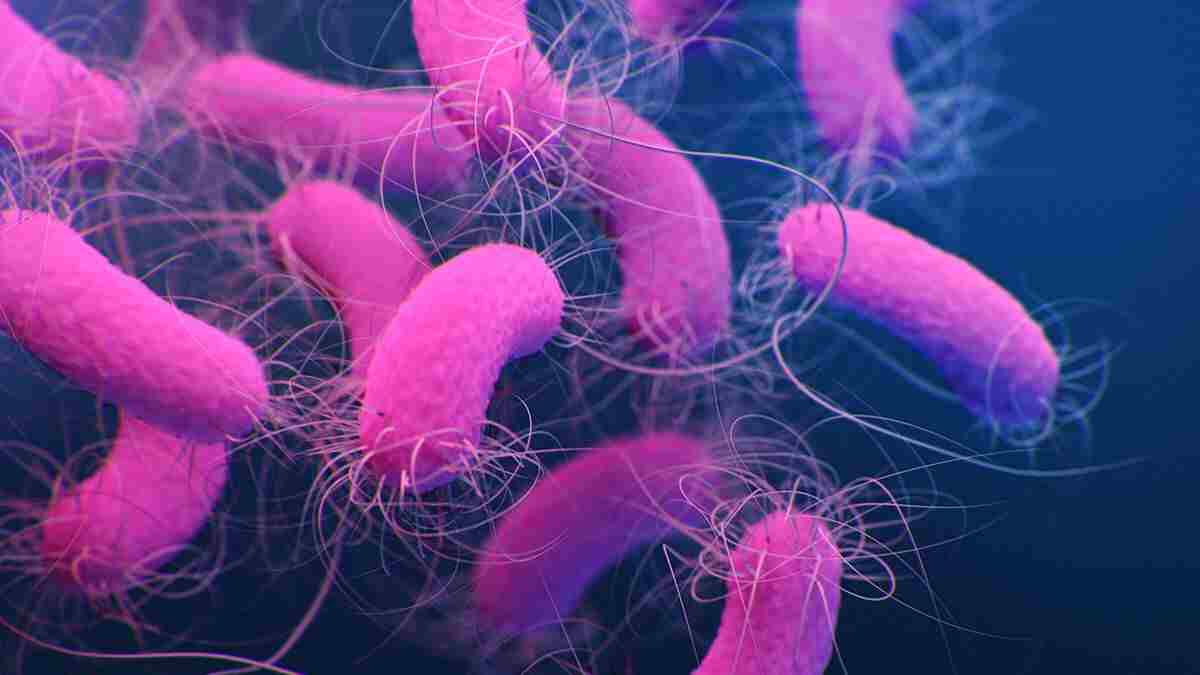

Diarrhoea is something that many associate with a temporary ‘tummy bug’. For millions of worldwide, diarrhoeal disease is far more life-threatening. It is still one of the world’s biggest public-health problems. It accounts for over 1.
2 million deaths each year, with the vast majority occurring in the poorest nations, most of all amongst the under-fives. A new vaccine candidate now brings a fresh lease of hope. Researchers have announced positive news on WRSs2, an experimental oral vaccine designed to combat Shigella sonnei. This bacteria is one of the infection agents of shigellosis.
A virulent form of diarrhoeal disease which could bring dysentery. A recent clinical trial for a vaccine to prevent this disease achieved 89% efficacy. This is very optimistic for an area of medicine where doctors have been searching for an effective vaccine for many decades. The results, which were originally published in The Lancet Infectious Diseases have generated hope that this most significant cause of severe diarrhoeal illness can be prevented much earlier, rather than treating the consequences.
The call for improved protections is profound. The most recent Global Burden of Disease estimates indicate that the global mortality rate for infectious diseases of the enteric system was an estimated 1.27 million deaths in 2023. Diarrhoeal diseases accounted for an estimated 1.
11 million of these total deaths. SubSaharan Africa and South Asia remained the regions most impacted by this disease burden, with young children bearing a disproportionate burden. Shigella is has a high fear potential is a noxious pathogen that spreads easily in populations with poor water and sanitation facilities and insufficient healthcare services. Causes restrictive and debilitating diarrhoea with fever and abdominal pain, and in severe cases hyperpyrexia leading to life threatening dehydration.
Antibiotics are sometimes needed but with increasing antimicrobial resistance, prevention becomes an increasingly high priority. That is why WRSs2 is so fascinating. The vaccine was produced by the Walter Reed Army Institute of Research and the Cincinnati Children’s Hospital Medical Center and the Hope Clinic of Emory University. A total of 108 healthy adults were given either the vaccine or a placebo.
WRSs2 is an oral live-attenuated vaccine; this is a weakened form of bacteria that replicates itself when in the host, stimulating an immune response.
Two doses of the vaccine were administered with around 1 month between doses, and the results indicated that the vaccine was highly effective for protection against Shigella sonnei, and a very encouraging finding in what has been a long process, to date, in developing a Shigella vaccine, The trial further demonstrated how the development of vaccines is often a complex tale of variability and uncertainty.
WRSs2 was linked with side effects as 53% of those vaccinated reported experiencing headaches while 45% reported having diarrhoea. Even so, there was no hospitalisation due to the vaccine and its overall safety was deemed acceptable as the side effect/dose/protection calculation was still being investigated.
This was a relatively small study conducted on healthy adults in the U.S. whereas those who would most benefit from an effective Shigella vaccine are often young children in countries with a high burden of diarrhoeal disease.