


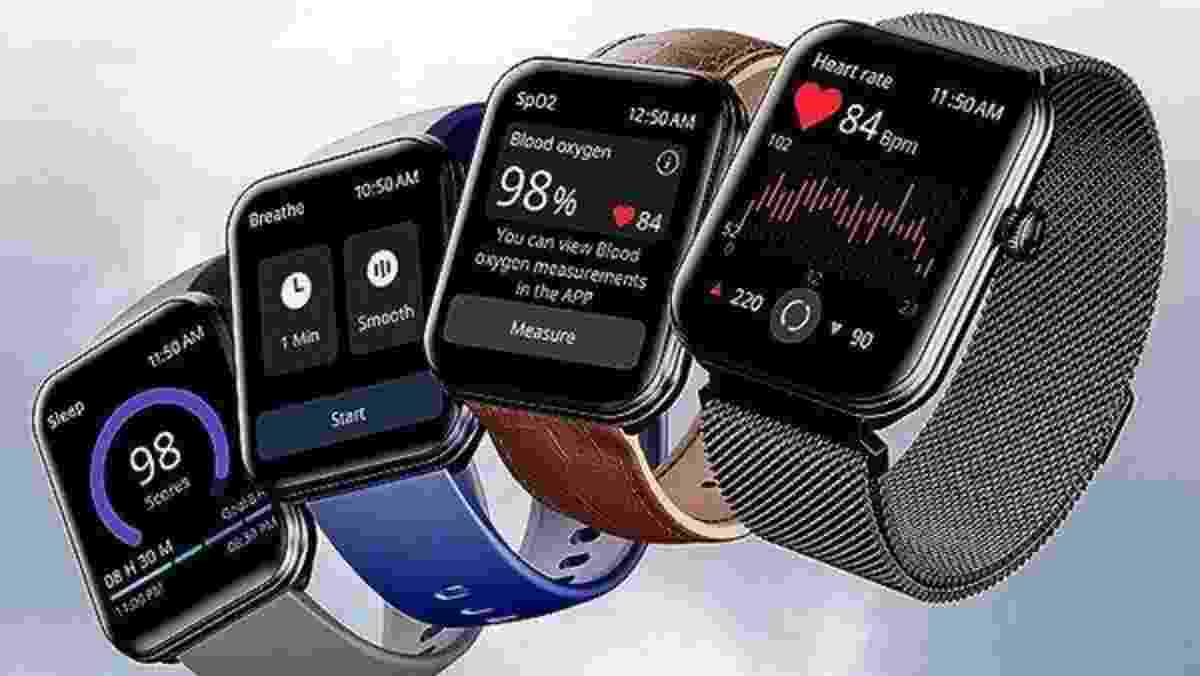

The line between fitness and everyday lifestyle is rapidly disappearing in 2026, as wearable technology evolves from simple step counters into powerful, always-on health companions. What was once limited to gym enthusiasts has now become a global lifestyle movement, with smartwatches, rings, clothing, and AI-powered devices seamlessly integrating into daily routines.
According to global fitness trend reports, wearable technology is officially the number one fitness trend of 2026, with nearly half of adults now using devices like smartwatches or fitness trackers to monitor their health. This widespread adoption highlights a major shift in how people approach fitness—not as a separate activity, but as a continuous, data-driven lifestyle.
Modern wearables are no longer just about counting steps or calories. Devices now track advanced metrics such as heart rate variability, sleep quality, stress levels, blood oxygen, and recovery patterns. This level of insight allows users to understand their bodies in real time, enabling smarter decisions about workouts, rest, and overall wellness. Instead of following generic fitness plans, individuals are now guided by personalized data tailored to their own physiology.
One of the biggest breakthroughs driving this trend is the integration of artificial intelligence into wearable devices. AI-powered systems can analyze user data and provide actionable recommendations, such as when to train harder or when to recover. A recent example is the partnership between Ultrahuman and Les Mills, which introduced a system that adjusts workout intensity based on real-time biometrics like sleep and recovery levels. This kind of adaptive fitness guidance marks a significant evolution from passive tracking to active coaching.
The rise of new wearable formats is also reshaping the lifestyle experience. Smart rings, for instance, are becoming increasingly popular for their ability to track sleep and recovery without the need for bulky devices. These rings work alongside smartwatches, creating a layered ecosystem where users combine multiple devices for a complete health profile. At the same time, smart clothing is emerging as a major innovation, embedding sensors directly into everyday outfits to monitor movement, posture, and even muscle activity without requiring additional gadgets.
Another key factor behind the merging of fitness and lifestyle is the growing demand for convenience. People no longer want to dedicate separate time for health tracking; instead, they expect technology to integrate effortlessly into their daily lives. Wearables now function as lifestyle hubs, offering notifications, payment systems, navigation, and even mental wellness tools alongside fitness tracking. This convergence makes them indispensable tools rather than optional accessories.
Healthcare is also being transformed by this shift. Wearable devices are enabling continuous monitoring outside of hospitals, allowing early detection of potential health issues and reducing the need for frequent medical visits. This not only improves individual health outcomes but also contributes to a more efficient healthcare system globally. In many cases, wearable data is already being used in large-scale medical studies, further bridging the gap between personal fitness and professional healthcare.
The market growth reflects this transformation. Wearable devices are among the fastest-growing segments in consumer technology, with increasing demand for products that combine fitness, health, and lifestyle features. From smart glasses and AI-powered earbuds to advanced fitness bands and smart shoes, the ecosystem is expanding rapidly, offering users more choices than ever before.
However, this evolution also raises important challenges. Privacy and data security have become major concerns as wearable devices collect sensitive health information. Additionally, the environmental impact of rapidly growing wearable production is gaining attention, with experts warning about electronic waste and sustainability issues.
Despite these concerns, the fusion of fitness and lifestyle through wearable technology represents a fundamental shift in how people interact with their health. It is no longer about short-term fitness goals or occasional workouts. Instead, it is about creating a continuous, personalized, and intelligent health ecosystem that supports users throughout their entire day.
As 2026 continues, this trend is expected to accelerate even further, with more advanced AI, new wearable formats, and deeper integration into everyday life. The future of fitness is no longer confined to the gym—it is embedded in everything people do, turning everyday living into a smarter, healthier, and more connected experience.