


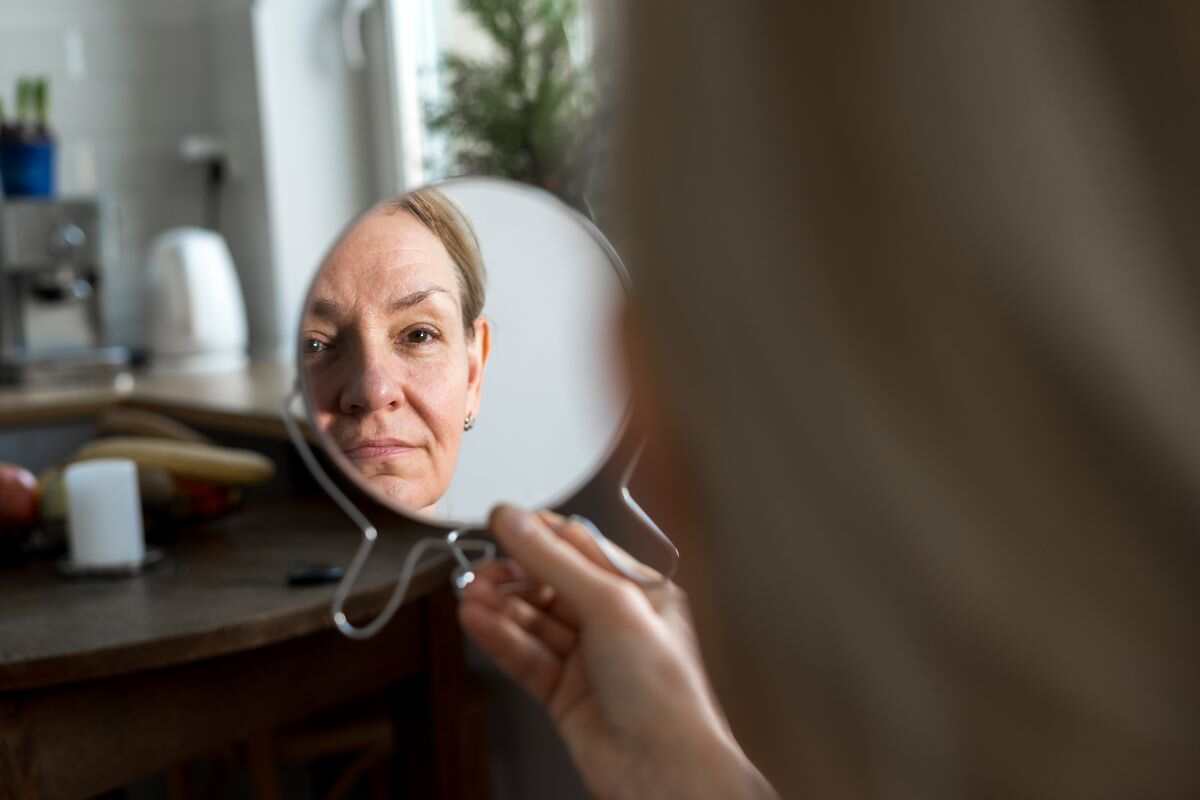

Health aging and longevity science is rapidly shifting from niche research to mainstream medical and lifestyle focus, as scientists uncover how biomarkers, nutrition, and cellular health influence how long and how well humans live. What was once considered speculative science is now shaping real-world healthcare strategies, wellness products, and preventive medicine across the globe.
At the center of this shift is the discovery of measurable anti-aging biomarkers. Researchers have identified biological indicators in blood, DNA, and cells that reveal a person’s true biological age, which can differ significantly from their chronological age. These biomarkers track inflammation levels, cellular damage, metabolic efficiency, and immune system strength, offering a clearer picture of how fast the body is aging internally.
One of the most discussed breakthroughs is the growing use of epigenetic clocks. These tools analyze chemical changes in DNA to estimate biological aging with remarkable accuracy. Early studies show that lifestyle changes such as improved diet, regular exercise, better sleep, and stress reduction can slow or even partially reverse these aging markers, challenging the long-held belief that aging is irreversible.
Diet is playing an equally critical role in longevity research. Scientists are increasingly focusing on how specific eating patterns influence cellular repair and metabolic health. Diets rich in whole foods, plant-based nutrients, healthy fats, and controlled calorie intake have been linked to improved mitochondrial function and reduced age-related inflammation. Intermittent fasting and time-restricted eating are also gaining scientific support for activating cellular repair processes that protect against age-related diseases.
Another major area of progress is cellular senescence, a process where damaged cells stop dividing but remain in the body, contributing to aging and chronic illness. Researchers are developing therapies aimed at removing or repairing these cells, with early trials showing promise in improving tissue function and extending healthspan rather than just lifespan.
Longevity science is also reshaping preventive healthcare. Instead of treating diseases after they appear, healthcare systems are beginning to emphasize early detection of age-related decline. Regular monitoring of aging biomarkers could soon become part of routine health checkups, allowing individuals to take action years before serious conditions like heart disease, diabetes, or neurodegenerative disorders develop.
Technology companies and biotech startups are accelerating this transition by launching longevity-focused diagnostics, supplements, and personalized wellness platforms. These innovations combine genetic data, lifestyle tracking, and AI-driven insights to deliver customized aging strategies tailored to individual biology.
Beyond medicine, the rise of longevity science is influencing how societies think about aging. The focus is shifting from simply living longer to living better, maintaining physical strength, cognitive sharpness, and independence well into later life. Governments and health organizations are watching closely, as extended healthy lifespans could reshape retirement planning, workforce dynamics, and global healthcare costs.
As research continues to evolve, health aging and longevity science is poised to redefine modern wellness. With biomarkers becoming more accessible and dietary science growing more precise, the pursuit of a longer, healthier life is no longer futuristic—it is becoming a practical, science-backed reality for millions worldwide.